Substance Abuse: Understanding the Dangers of Fentanyl Overdose

Introduction: The Rising Threat of Fentanyl in the Opioid Crisis

The opioid crisis continues to affect communities across the United States, with fentanyl playing a significant role in rising overdose rates. As one of the most potent opioids accessible, fentanyl has a big impact on the problem.

This article attempts to shed light on the dangers of fentanyl overdose, providing insights into its potency, risks, and the prevention measures and treatment alternatives available to those suffering from fentanyl addiction, as understood by a certified addiction professional.

Explaining Fentanyl: Potency, Risks, and Overdose Symptoms
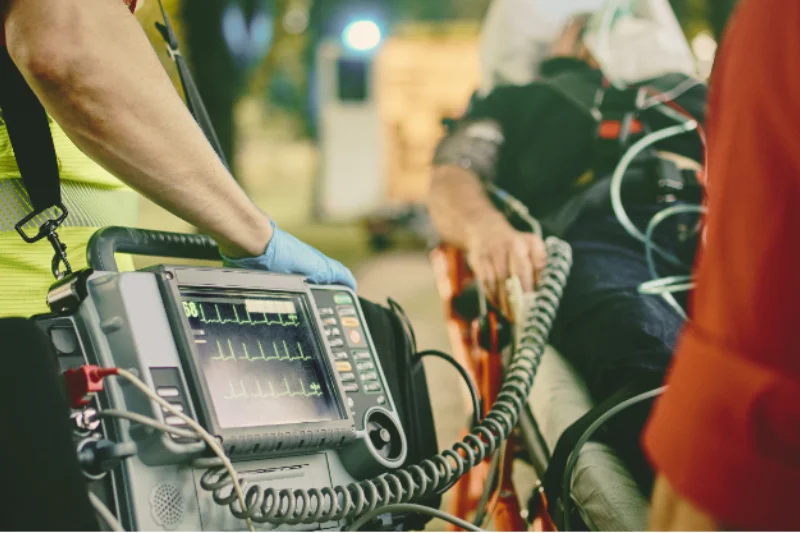
Fentanyl Risks

Fentanyl is a synthetic opioid that is up to 50 times more potent than heroin and 100 times stronger than morphine. Because of its enormous power, even a small amount can cause an overdose and death.

Overdose symptoms include reduced breathing, unconsciousness, and bluish skin. When fentanyl is taken with other medications, the risk of overdose increases, frequently without the user’s knowledge.

Understanding the Difference Between Fentanyl and Other Opioids

Fentanyl’s strength distinguishes it from other opioids, making it more hazardous and raising the risk of overdose. Understanding the distinctions between fentanyl and other opioids is critical for both patients and healthcare providers in order to avoid accidental overdoses and provide appropriate treatment. (CDC: Fentanyl Facts)

Recognizing the Signs of Fentanyl Addiction

Recognising the indications of fentanyl addiction is the first step towards getting help from a substance abuse professional. Signs include extreme drug cravings, withdrawal symptoms while not using, prolonged use despite negative consequences, and changes in behaviour or appearance. Early intervention is critical to successful recovery (Mayo Clinic: Recognizing Addiction)

The Impact of Fentanyl Overdose on Individuals and Communities

Fentanyl Overdose

Individuals who overdose on fentanyl may have life-threatening respiratory depression, coma, and death. To avoid fatal consequences, overdose symptoms must be treated as soon as they appear. People who survive a fentanyl overdose may suffer long-term health consequences and psychological distress.

Communities around the country are dealing with the ramifications of the fentanyl crisis. The increase in overdose deaths puts pressure on emergency services, hospital institutions, and law enforcement. The social and economic implications are staggering, including increased healthcare expenditures, missed productivity, and the emotional toll on families and communities.

Preventative Measures and Treatment Options for Fentanyl Addiction

  1. Public Education

One important preventative step is public education about the hazards of fentanyl, as recognized by certified addiction professionals.

Raising awareness about the potency of fentanyl, the dangers of overdose, and the significance of seeking treatment for substance dependence can help save lives. Educational efforts should focus on high-risk demographics and highlight the availability of addiction treatment resources.

  1. Access to Naloxone

Increased access to naloxone, an opioid overdose reversal medicine, is critical to reducing fentanyl overdose deaths.

Naloxone should be easily accessible to first responders, healthcare providers, and anyone at risk of overdose. Training on how to give naloxone can help communities respond more effectively to overdose emergencies.

  1. Disrupting Illicit Fentanyl Supply

Efforts to interrupt the supply of illicit fentanyl are critical in combating the opioid epidemic. Law enforcement must collaborate to identify and dismantle fentanyl trafficking networks. International cooperation is also required to address the global scope of fentanyl manufacture and distribution.

Treatment Options for Fentanyl Addiction

Trearment For Fentanyl Overdose
  1. Medication-Assisted Treatment (MAT)

Medication-assisted therapy (MAT) is an effective way to treat fentanyl addiction. MAT combines methadone, buprenorphine, and naltrexone with counselling and behavioural therapy. These drugs serve to alleviate cravings and withdrawal symptoms, allowing people to engage in treatment and recovery. (SAMHSA: Medication-Assisted Treatment (MAT))

  1. Counselling and Support Groups

Addiction recovery relies heavily on counselling and support groups. Individual and group counselling can assist individuals in addressing the root causes of their addiction, developing coping skills, and establishing a supportive network. Support organisations like Narcotics Anonymous offer a sense of community and mutual support to those in recovery.

Conclusion: Addressing the Fentanyl Crisis

The fentanyl crisis is a complex problem that necessitates a comprehensive approach. Understanding the hazards of fentanyl overdose, implementing prevention measures, and assuring access to appropriate treatment are all critical steps towards solving this public health issue.

Working together, we can reduce the impact of fentanyl and help individuals who are addicted. (National Institute on Drug Abuse: Fentanyl DrugFacts)

Work with GMA Interventions

At GMA Interventions, we understand the difficulties associated with fentanyl addiction. Our team of professionals provides specialised services to individuals and families affected by the crisis.

Focusing on holistic rehabilitation, we offer support, education, and treatment alternatives tailored to each person’s needs. Contact us to see how we can help you or a loved one overcome addiction and live a better, drug-free life.


Cognitive Behavioral Therapy (CBT) in Addiction Treatment

Introduction: Understanding the Principles of CBT in Addiction Treatment

Cognitive Behavioral Therapy (CBT) is an extremely effective addiction treatment strategy that tackles the interconnectivity of thoughts, emotions, and behaviours. Understanding the cognitive model allows people to discover how their thoughts influence their feelings and actions, especially in the context of addiction.

This understanding is critical for devising solutions to control addictive behaviours and cognitive processes, as recognized by certified addiction professionals and substance abuse professionals.

Discussing the Effectiveness of CBT in Changing Negative Thought Patterns and Behaviors

Depressed Man

Identifying and Challenging Negative Thoughts

  • CBT assists people in recognising and challenging erroneous or negative ideas associated with addiction. For example, a common negative thought could be “I’ll never be able to quit.” CBT approaches might help you reframe this thought as something more positive and motivating, like, “I have the strength to overcome my addiction.” (American Psychological Association: What is Cognitive Behavioral Therapy?)

Addressing Maladaptive Behaviors

  • CBT uses behavioural experiments and exposure therapy to address detrimental addiction-related behaviours. Breaking the cycle of addiction allows people to replace destructive behaviours with healthier options, supporting long-term recovery. (Psychology Today: Behavioral Experiments in CBT)

Providing Practical Exercises and Techniques Used in CBT for Addiction Recovery

Writing Diary

Self-Monitoring and Awareness

  • Thought recorders are an important tool in cognitive Behavioral Therapy. They allow people to track their thoughts, feelings, and substance-related behaviours. This practice aids in the identification of triggers and desires, which allows for the development of appropriate coping methods.

Cognitive Restructuring Techniques

  • Techniques such as cognitive reframing assist people in challenging and changing unfavourable thoughts. Positive affirmations and self-talk are also recommended to increase self-esteem and combat negative ideas.

Behavioural Activation

Engaging in enjoyable and meaningful tasks is critical in CBT for overcoming boredom or depression. Setting precise, attainable goals for sobriety and personal development is also emphasised. (Verywell Mind: Behavioral Activation for Depression)

Discussing the Application of CBT in Group and Individual Therapy Settings

Group Therapy

Group Therapy Sessions

  • Group therapy promotes peer support and accountability, fostering a positive atmosphere for practising CBT strategies and developing abilities. Our group therapy sessions at GMA Interventions are designed to build a feeling of community and shared learning by allowing people to discuss their experiences, struggles, and accomplishments with others who are going through similar things.
    These sessions not only improve the efficacy of CBT but also provide a supportive network for ongoing recovery. (National Institute on Drug Abuse: Principles of Drug Addiction Treatment)

Individual Therapy Sessions

  • Individual therapy’s personalised treatment plans address each person’s specific requirements and concerns. This setting allows for a thorough investigation of the underlying issues that contribute to addiction. GMA Interventions provides individual therapy sessions that focus on the application of CBT concepts to each client’s unique situation.
    Our skilled therapists collaborate with clients to create focused interventions that address both the cognitive and behavioural elements of addiction, resulting in a comprehensive and effective treatment plan.

Conclusion: Harnessing the Power of CBT in Addiction Recovery

CBT is a powerful tool in addiction treatment, focusing on changing negative thought patterns and behaviours. Individuals in recovery are encouraged to explore CBT as a means to address the cognitive and behavioural aspects of addiction. Seeking professional guidance from qualified therapists trained in CBT techniques is crucial for personalized treatment and support.

The Benefits of Exercise in Addiction Recovery

Introduction: Understanding the Role of Exercise in Recovery

Physical activity is essential for overall well-being and addiction treatment. Exercise can greatly improve mental health and lessen cravings throughout recovery. Including exercise in your recovery practice can lead to a more balanced and fulfilling path to sobriety, aligning with the principles of mental health skill building services.

Exploring the Positive Impact of Physical Activity on Mental Health and Recovery

Women Doing Exercise for Recovery

Mood Enhancement and Stress Reduction

Improved Cognitive Function

Enhanced Self-Esteem and Confidence

Discussing Various Forms of Exercise Suitable for Individuals in Recovery

Woman Doing Yoga

Aerobic Exercise

Strength Training

Mind-Body Practices

Providing Tips for Incorporating Exercise into a Recovery Routine

Excercising Women

Start Slow and Gradually Increase the Intensity

Find Activities You Enjoy

Create a Structured Routine

Conclusion: Harnessing the Power of Exercise in Recovery

Exercise has numerous benefits for addiction rehabilitation, including improved mental health, fewer cravings, and more self-esteem. Individuals in recovery are encouraged to view physical activity as an important tool in their journey to sobriety and overall well-being.

Seeking professional advice and support when introducing exercise into a recovery regimen is critical, particularly for people with underlying health concerns or physical restrictions. (National Institute on Drug Abuse: Seeking Drug Abuse Treatment)

At GMA Interventions, we recognise the value of a comprehensive approach to recovery, which includes the role of exercise in supporting both physical and mental health.

Our programmes are meant to help people achieve sobriety by providing extensive tools and guidance. Visit us today to discover more about how we can help you recover using holistic and evidence-based treatments.